
Loading...
Serving Windsor, CA and surrounding areas. (707) 687-4753
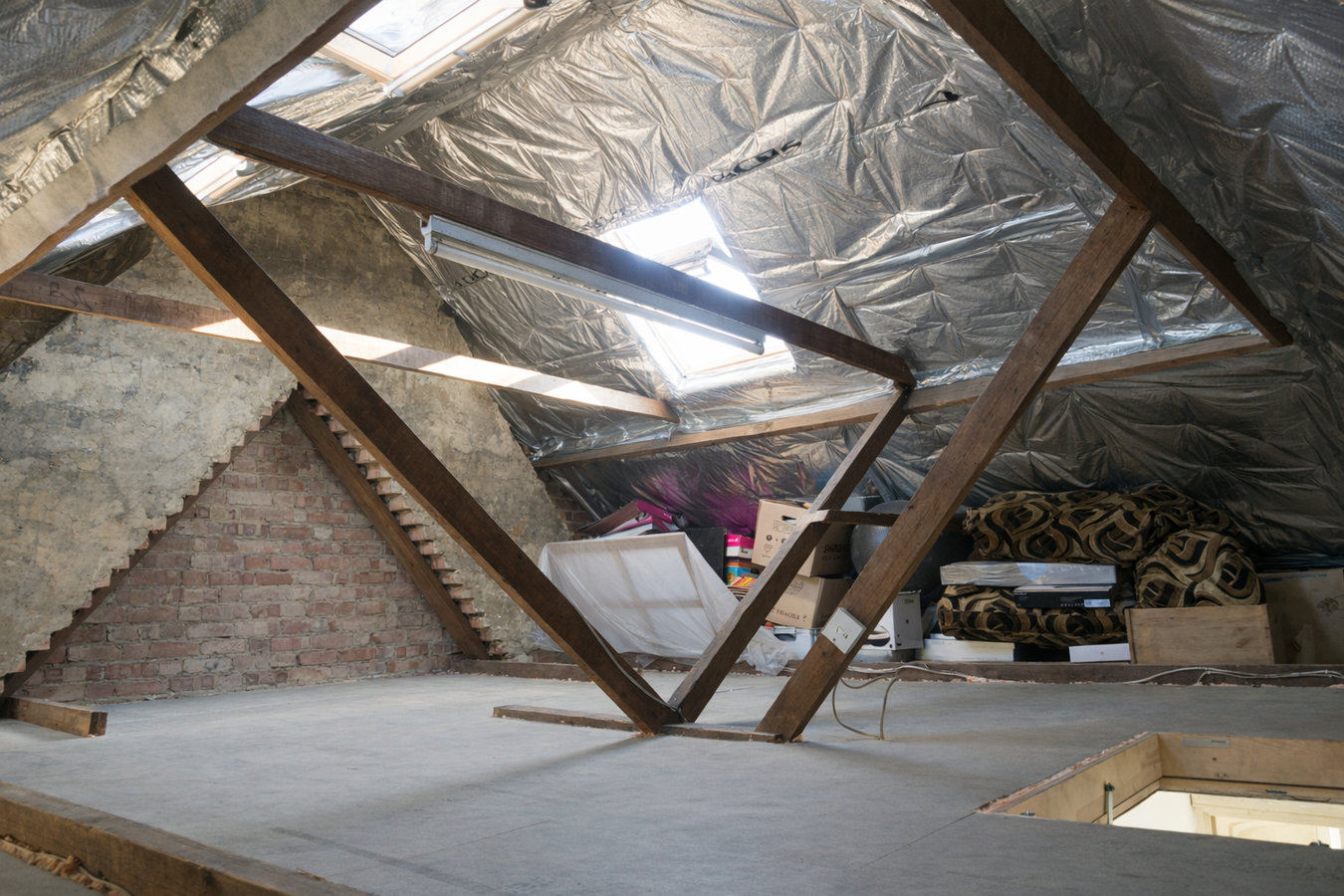
Windsor Insulation is an insulation contractor serving Sonoma, CA with attic insulation, blown-in insulation, crawl space insulation, vapor barrier installation, and spray foam for the city's mid-century homes, historic properties, and wine country estates.
We have been working throughout Sonoma County since 2020 and respond to most inquiries within one business day.
A large share of Sonoma homes were built in the 1950s, 1960s, and 1970s - and the original insulation in those attics has degraded over 50-plus years. Our attic insulation service adds depth and coverage to bring aging Sonoma homes up to modern California energy standards, reducing heat gain in summer and heat loss through the long wet winters.
Blown-in insulation is the least disruptive way to upgrade the attic floor on Sonoma's mid-century homes - it fills around existing framing and obstructions without disturbing finished ceilings below. For homes closer to Sonoma Plaza with original plaster ceilings or restricted attic access, blown-in is often the only practical option that avoids interior damage.
Sonoma's clay-heavy soils stay damp and cold through the wet season, and uninsulated crawl spaces transfer that chill directly into the living space above. Insulating between the floor joists under older raised-foundation homes in Sonoma is one of the most direct ways to address cold floors in winter and protect the wood structure from seasonal ground moisture.
Ground moisture in Sonoma Valley rises through the soil under homes year-round - and during the wet season, that moisture can saturate unprotected crawl spaces. A ground cover vapor barrier installed across the crawl space floor stops this moisture migration at its source, protecting floor joists and subfloor sheathing from the rot and mold that develop when wood is continuously exposed to humidity.
Sonoma homes from the mid-20th century have wood framing that has dried, shifted, and developed gaps over decades of hot summers and wet winters. Spray foam is the most effective solution for rim joists, band joists, and wall penetrations in these older structures because it seals and insulates at the same time - filling the irregular gaps that batt insulation cannot address.
Older Sonoma homes have gaps at every ceiling penetration - around recessed lights, plumbing chases, chimney surrounds, and framing members. These gaps let conditioned air escape in winter and pull hot attic air into the living space in summer. Sealing them before adding new insulation is what makes the insulation work as intended, and it is especially valuable on Sonoma's aging housing stock where the building envelope has had decades to develop leaks.
Sonoma is a small city of about 11,000 people at the southern end of Sonoma Valley, and its housing stock reflects well over a century of construction in a wine country setting. The neighborhoods closest to Sonoma Plaza contain some of the oldest structures in California - adobe and stone buildings from the mid-1800s through early 1900s, alongside wood-frame homes from the same era that have been updated incrementally over generations. Moving outward from the historic center, the housing transitions to single-family wood-frame and stucco homes built in the 1940s through 1970s, which now represent the majority of residential properties in the city. These mid-century homes were built to far lower energy efficiency standards than current California building code requires, and after 50 to 80 years, their original insulation - where it exists at all - has often settled, compressed, or been disrupted by pest activity and roof work over the years.
Sonoma's climate compounds these insulation gaps. The city sits in a valley bowl that traps heat in summer and holds cold air in winter, and the area receives about 26 inches of rain annually - almost all of it between November and March. That seasonal rainfall saturates the clay soils throughout the valley, raising groundwater levels and putting pressure on crawl spaces and foundation drainage systems in older homes. Then summer arrives with consistent heat, and poorly insulated attics become the main driver of high cooling costs for homes that have inadequate depth above the ceiling. Sonoma also sits in a High Fire Hazard Severity Zone, following damaging fires in 2017 and 2020, which has made homeowners more attentive to attic vent quality and exterior material choices when upgrading their homes.
Our crew works throughout Sonoma regularly, and we pull insulation permits through the City of Sonoma Community Development Department, which oversees building permits for properties within the city limits. For homes in the unincorporated parts of Sonoma Valley outside the city boundary, the permit authority shifts to Sonoma County. Knowing which jurisdiction applies before starting a job avoids delays, and it is something we check on every estimate.
The historic character of Sonoma is something we stay mindful of when working near the plaza or on older properties in the established neighborhoods. Sonoma State Historic Park preserves several of the oldest buildings in California, including the Mission San Francisco Solano and the Sonoma Barracks, right in the heart of town. Properties near these landmarks are sometimes subject to additional design review requirements - we check for those constraints during the assessment so there are no surprises mid-project. Highway 12 runs north-south through the valley and is the main corridor we use to reach jobs throughout the city, connecting Sonoma to Santa Rosa in the north and to Napa County in the east.
We also serve Kenwood, located a few miles north along Highway 12, where the valley narrows and older rural homes face similar mid-century insulation challenges. For homeowners to the south in the lower reaches of Sonoma Valley, Petaluma is another area we serve regularly.
Call or submit the contact form and we will respond within one business day. We work throughout Sonoma on both weekdays and weekends by appointment. You do not need to be home for an exterior or crawl space assessment, but being available to show us the attic access helps us give you a complete picture.
We inspect the attic, crawl space, and any other areas of concern and give you a written estimate before anything is scheduled. The estimate breaks down the cost by scope so you know exactly what you are paying for. For homes with historic design review requirements near Sonoma Plaza, we flag those constraints in the assessment so there are no surprises.
We pull the required city or county permit before work begins. Most Sonoma attic and crawl space insulation jobs are completed in a single visit with a two-person crew. For vacation-property or part-time owners who are not in Sonoma full-time, we handle scheduling and access coordination and update you by phone or email.
After the work is complete, we walk through the finished areas with you and confirm the space is clean and clear. We provide permit documentation and explain the inspection process. If you are managing the property remotely, we send photos of the completed work so you have a record of what was done.
We serve Sonoma and the surrounding wine country valley. No pressure, no obligation - just a straight answer about what your home needs and what it will cost.
(707) 687-4753Sonoma is a small city of about 11,000 residents at the southern end of Sonoma Valley, sitting within one of California's most recognized wine regions. The city is built around Sonoma Plaza - the largest historic plaza in California, surrounded by tasting rooms, restaurants, boutiques, and the old City Hall building that has stood since the 1800s. Adjacent to the plaza, Sonoma State Historic Park preserves several of the oldest buildings in the state, including the Mission San Francisco Solano and the Sonoma Barracks, both dating to the early 19th century. The mix of historic significance, wine country appeal, and small-city livability has made Sonoma one of the more expensive places to own a home in Sonoma County, with median home values well above $700,000. Owner-occupancy rates are relatively high here, and most residents invest in maintaining and improving their properties rather than deferring repairs. More information about the city's history and character is available on the Sonoma Wikipedia article.
The residential neighborhoods spread outward from the historic center - older blocks with small lots and mature trees close to downtown, transitioning to single-family homes on larger parcels on the north and east sides of the city, and eventually to rural and agricultural properties on the valley floor beyond the city limits. Wood-frame and stucco construction from the postwar decades makes up the majority of the housing stock, with a smaller number of adobe and historic structures near the plaza that require specialized knowledge to work on. Neighboring communities in the valley include Kenwood to the north along Highway 12, where similar mid-century housing faces the same insulation and moisture challenges. To the west, homeowners in Petaluma can also reach us for insulation work across the range of residential and commercial property types that city offers.
Fills irregular spaces evenly for consistent whole-home thermal coverage.
Learn MoreProtects floors from moisture and cold with proper crawl space coverage.
Learn MoreHigh-density foam providing excellent moisture resistance and R-value.
Learn MoreFlexible foam insulation ideal for sound control and interior walls.
Learn MoreProfessional insulation services for commercial and industrial buildings.
Learn MoreFrom the historic plaza neighborhoods to the valley edges, we know what Sonoma homes need. Call today and we will schedule an assessment within one business day.