
Loading...
Serving Windsor, CA and surrounding areas. (707) 687-4753
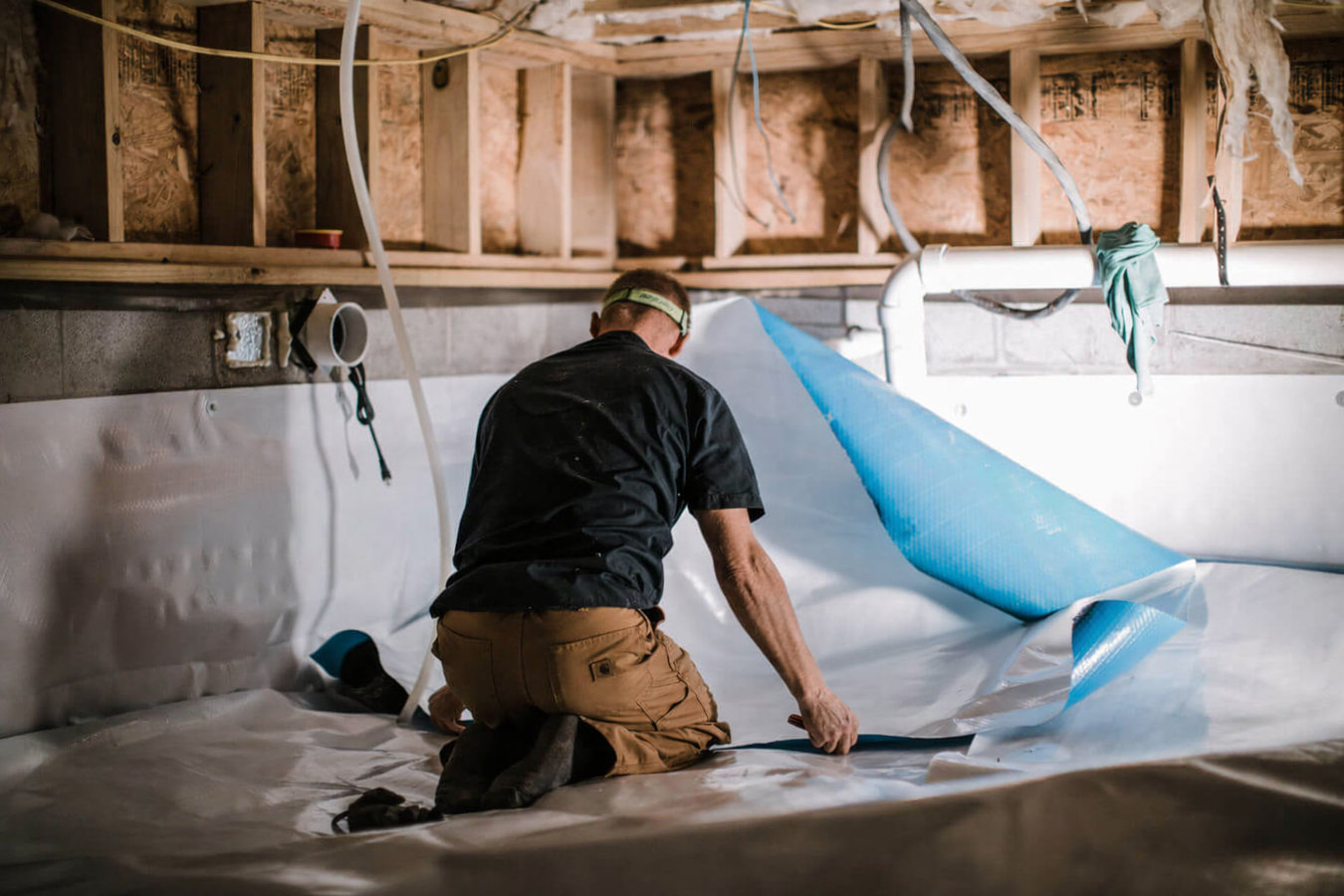
Ground moisture under your Windsor home causes soft floors, musty smells, and slow wood damage. A properly installed vapor barrier stops it at the source before it becomes expensive.
Crawl space vapor barrier installation in Windsor, CA involves rolling heavy-duty plastic sheeting across the bare dirt under your home, overlapping the seams, sealing them with tape, and securing the edges to the foundation walls. The barrier acts as a physical block between the wet soil and the air inside your home. Most installations take one to two days, and you do not need to leave your home while the work is done.
Without a barrier, moisture from the ground rises as vapor into your floor joists, subfloor wood, and insulation - slowly weakening them over time. The damage is quiet and invisible until it becomes expensive. Many Windsor homeowners first notice the problem as a musty smell after winter rains, or floors that feel slightly soft or cold in the wet season. If you have already had crawl space insulation installed, adding a vapor barrier protects that investment and makes both systems work better together.
Homes in Windsor that were built in the 1980s and early 1990s are especially likely to have no barrier - or one that has degraded - because moisture protection was not standard practice at the time. A free crawl space inspection takes less than an hour and tells you exactly what you are working with.
If your hardwood or laminate floors feel noticeably cold during Windsor's rainy season, or if any section feels slightly springy when you walk on it, moisture has likely been working on the wood underneath. Soft spots in particular suggest the subfloor has absorbed enough moisture to begin weakening. This is worth investigating before the damage goes deeper.
Windsor gets significant rainfall from November through April. If your home develops a musty or earthy smell during or after those rains, moisture is rising from the crawl space. That smell is often strongest near floor vents or in rooms directly above the crawl space. It tends to fade in summer and return every winter until the source is addressed.
If you look into your crawl space and see exposed soil with no plastic sheeting covering it, your home has no vapor barrier. Many Windsor homes built in the 1980s and early 1990s were finished this way. It is one of the most straightforward crawl space problems to fix, and one of the most impactful.
If you run a dehumidifier frequently, notice condensation on windows in rooms that should not have it, or feel like the air inside is consistently damp, your crawl space may be contributing to the problem. Ground moisture that rises unchecked adds to indoor humidity levels. A vapor barrier often makes a meaningful difference in how comfortable the air feels.
Every job starts with a crawl space assessment. We go under your home, check how much bare soil is exposed, inspect any existing plastic sheeting, and look for drainage or ventilation issues that should be addressed first. From there, we lay heavy-duty plastic sheeting across the entire dirt floor, overlap every seam by at least a foot, seal the seams with tape, and secure the edges to the foundation walls. No exposed soil remains when the job is done. For homes that need both a barrier and thermal protection, crawl space insulation can be added in the same visit.
We also pair crawl space vapor barriers with vapor barrier installation for homes that need moisture protection in multiple areas - under slabs, in unfinished basements, or along foundation walls. After the work, we walk you through what was done, either in person or through photos if the space is too tight. You should receive documentation of what was installed, including the material thickness used. The barrier is ready the moment we leave - no curing period, no waiting.
We go under your home before quoting anything - so the estimate reflects what is actually there, not a guess.
Heavy-duty plastic sheeting covers every square foot of exposed dirt, including corners and around support posts.
All seams overlapped and taped, edges anchored to foundation walls - no gaps where moisture can sneak through.
You receive a record of what was installed and what thickness was used, so you know exactly what is under your home.
If existing degraded plastic needs to come out first, we handle removal and disposal as part of the project.
Pair the vapor barrier with crawl space insulation in one visit to maximize protection and avoid a second scheduling window.
Windsor sits in Sonoma County and receives the bulk of its rainfall - around 30 inches annually - between November and April. During those wet months, the soil under your home absorbs significant moisture, and without a barrier, that moisture moves upward into your floor structure. Windsor's soils also have significant clay content, which holds water long after rain stops. Clay soil releases moisture slowly and steadily for weeks into spring - meaning the ground under your home stays damp far longer than it would in a sandier region. Homeowners in Healdsburg and Santa Rosa face the same clay soil conditions and the same extended moisture season.
Windsor grew rapidly in the 1980s and 1990s, and a meaningful portion of its single-family homes are now 30 to 40 years old. Homes built before the mid-1990s often have minimal or no crawl space moisture protection by today's standards. California's Title 24 building energy standards include requirements around moisture management in crawl spaces when work is permitted. If your home is in that age range and you have never had the crawl space inspected, scheduling a free assessment is a practical first step. For homes near lower-lying parts of Windsor near the Russian River corridor, a contractor can also evaluate whether additional drainage solutions are needed alongside the barrier.
We ask a few basic questions - home size, any smells or soft floors you have noticed, and whether anyone has been under the house recently. We aim to reply within one business day and schedule a free visit.
We go under your home and check how much bare soil is exposed, whether existing plastic needs removal, and whether any drainage issues should be handled first. The visit usually takes less than an hour.
After the inspection you receive a written quote that breaks down what the job involves and what it costs. We explain what we found and why we recommend what we do - not just hand you a number.
The crew lays the sheeting, overlaps and seals the seams, and anchors the edges to the foundation walls. When done, we walk you through what was installed - in person or with photos. No curing time needed.
Free inspection, written estimate, no obligation. Most Windsor jobs scheduled within a week.
(707) 687-4753We install crawl space vapor barriers across Windsor and Sonoma County all year, so we know the local soil, moisture, and access challenges. You get a crew that does this work every day and documents what goes in before signing anything.
We work on homes throughout Windsor and Sonoma County, including the 1980s and 1990s subdivisions where crawl space protection was not standard at build. We know what those crawl spaces look like and what they need.
We tell you exactly what thickness of barrier we are installing and why - and we document it. Thicker material lasts longer and holds up to occasional foot traffic from plumbers or pest control. The U.S. Department of Energy recommends addressing crawl space moisture as a key part of home weatherization.
We help you understand when to schedule - late summer through fall is the best window in Windsor, before the rains return. We also tell you honestly if your project needs more than just a barrier, so you are not surprised mid-job.
Crawl space work does not get inspected the way a roof replacement does - which means the quality of what goes in is almost entirely on the contractor. We do this work the same way whether or not anyone is watching, and we back it up with documentation so you are never left wondering what is actually under your home.
Full vapor barrier services covering crawl spaces, slabs, and basement floors for complete moisture control throughout your home.
Learn MoreAdd thermal insulation to your crawl space alongside a vapor barrier for maximum comfort and energy savings.
Learn MoreA crawl space inspection is free and takes less than an hour - call today and get protected before the first November storm.