
Loading...
Serving Windsor, CA and surrounding areas. (707) 687-4753
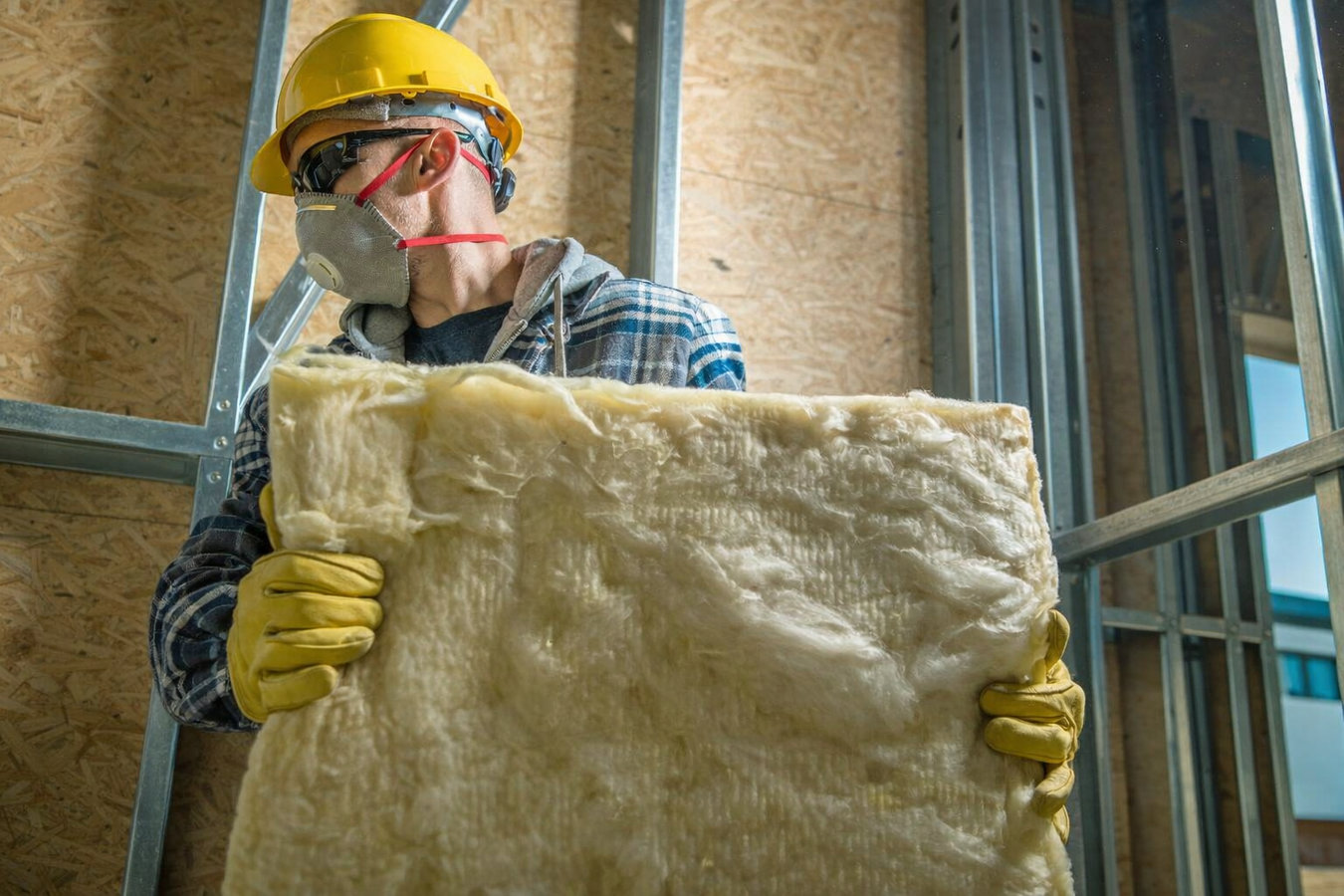
Windsor Insulation is an insulation contractor serving Petaluma, CA with commercial insulation, attic blown-in insulation, crawl space insulation, spray foam, and vapor barrier installation for the city's Victorian homes, postwar ranches, and commercial buildings along the historic downtown corridor.
We have been working throughout Sonoma County since 2020 and respond to most inquiries within one business day.
Petaluma has a substantial commercial base along the Lakeville and East Washington corridors, with older buildings near the historic downtown that were constructed well before California set modern energy codes. Our commercial insulation service covers spray foam, rigid board, and blown-in applications for warehouses, office buildings, retail spaces, and mixed-use properties - helping business owners reduce energy costs in buildings where HVAC systems run most of the day.
Victorian and Edwardian homes on Petaluma's west side - especially around B Street and Liberty Street - often still have original insulation from the early 1900s, if they have any at all. Blown-in cellulose or fiberglass fills the attic floor without disturbing original ceiling plaster, making it the most practical upgrade path for homes where interior disruption is not an option.
Petaluma's postwar ranch homes from the 1950s and 1960s are now 60 to 70 years old, and wood framing that age has dried and shifted enough to create gaps that standard batt insulation cannot fill. Spray foam seals and insulates in a single pass, making it the right choice for rim joists, band joists, and wall cavities in homes where air leakage has become the main energy problem.
Cold floors during Petaluma's wet winters are a direct symptom of missing crawl space insulation under raised-foundation homes. The Petaluma River valley can see significant moisture accumulation below older homes between November and March, and insulating the floor joists is the most direct way to address both energy loss and the damp conditions that lead to wood rot.
For Petaluma homes with unencapsulated crawl spaces, a vapor barrier on the ground surface prevents soil moisture from migrating upward into floor joists and subfloors through the long wet season. This is especially important in low-lying neighborhoods near the Petaluma River, where groundwater levels rise during heavy rain events.
Petaluma's older homes - particularly the Victorians and Craftsmans on the west side - have accumulated decades of penetrations through the attic floor: recessed lights, plumbing chases, chimney bypasses, and electrical runs. Air sealing these gaps before adding insulation can make a larger difference to comfort and energy bills than adding insulation alone, because it stops the stack effect that drives warm air out of the home in winter.
Petaluma is one of the larger cities in Sonoma County, with a population of about 62,000 and a housing stock that spans nearly 150 years of construction history. The west side neighborhoods - centered around the historic downtown and extending outward along B Street, Liberty Street, and Kentucky Street - are filled with Victorian and Edwardian homes built between the 1880s and 1910s. These homes were built to no energy code at all, with uninsulated walls, minimal attic depth, and crawl spaces that have been accumulating moisture for over a century. The east side tells a different story: large subdivisions of two-story stucco homes from the 1980s and 1990s now reaching the age where their original insulation has degraded and building envelope gaps have developed. Both ends of that spectrum create real insulation needs, but they require different approaches.
The climate in Petaluma drives these problems year-round. The city gets 25 to 30 inches of rain per year, mostly between November and March, and the Petaluma River valley can hold moisture at grade level long after storms pass. That seasonal wetness puts pressure on crawl spaces and foundations in older homes throughout the winter. Then summer arrives with temperatures pushing into the mid-80s to low 90s, and homes with inadequate attic insulation turn into heat traps. Petaluma's commuter population - many residents work in Marin County or the Bay Area and return home to houses that have been heating up all day - notices this problem more acutely than people who are home during the day.
Our crew works throughout Petaluma regularly, and the variety of the housing stock here is one of the things that makes the city distinct. The older Victorian homes on the west side require a careful, detail-oriented approach - original plaster ceilings, narrow access hatches, and framing that does not conform to modern spacing mean that the same techniques used on a newer east-side subdivision will not work here. When we assess a Victorian-era home in Petaluma, we are looking at access points, framing irregularities, and any existing insulation before we recommend anything.
The newer subdivisions near East Washington Place and the roads off Sonoma Mountain Parkway on the east side are a different kind of job. Homes here are stucco-clad with tile roofs, and attics tend to be more accessible - but building envelope gaps at the top plates and around HVAC penetrations are common. The east side also has more two-story homes, which changes how crawl space work and upper-floor comfort issues are prioritized. The City of Petaluma Building Division oversees permit requirements for insulation work, and our team is familiar with the process from pulling permits on both residential and commercial jobs throughout the city.
We also serve Sonoma, which sits to the northeast and has a similarly diverse mix of older historic homes and newer construction. For neighbors to the south in Marin County looking for contractors who know this part of California, Rohnert Park is another area we serve regularly, sharing Petaluma's postwar ranch-home character.
Reach out by phone or through the contact form and we will get back to you within one business day. You can describe the problem - high bills, cold rooms, moisture in the crawl space - and we will ask a few questions to understand what we are likely dealing with before we schedule a visit.
We visit your Petaluma home or commercial property and inspect the areas of concern - attic, crawl space, walls, or all of the above. For Victorian-era homes on the west side, we pay particular attention to access points and framing conditions before making any recommendations. The assessment is used to build your written estimate, so there are no surprises about scope or cost.
We pull the required permits through the City of Petaluma before work begins. Most residential jobs are completed in a single day. For commercial projects, we schedule around your business operations to minimize disruption. You do not need to be present for the full job, but we will go over the work with you before we leave.
When the work is done, we walk you through what was completed and answer any questions. If the inspection process requires a follow-up visit, we handle scheduling directly. We are a local company and reachable after the job if questions come up.
We serve all of Petaluma - from the Victorian west side to the east-side subdivisions and commercial properties downtown. No pressure, no obligation. Just a clear picture of what your home or building needs.
(707) 687-4753Petaluma is a mid-sized city of about 62,000 people located in the southern portion of Sonoma County, straddling the Petaluma River that bisects the city from north to south. The west side contains the heart of the city's historic character, with one of the best-preserved Victorian commercial districts in California along Kentucky Street and surrounding blocks - cast-iron-fronted buildings from the 1880s and 1890s that now house restaurants, shops, and small businesses. The residential neighborhoods just off the commercial core are similarly historic, with streets lined with Victorian and Craftsman homes. The east side of the river, by contrast, was largely developed from the 1980s onward, producing large subdivisions with two-story stucco homes, schools, and shopping centers that serve the city's growing commuter population. Lucchesi Park near the city's community center is a well-known landmark for families throughout the area.
Petaluma sits along US-101 and has a SMART train station connecting it to other Sonoma and Marin County communities, making it a practical base for people who work further south. The city has a strong owner-occupied housing base, which means homeowners here tend to invest in maintaining and improving their properties for the long term. Neighboring Sonoma sits to the northeast and shares some of Petaluma's character as a Sonoma County city with both older historic homes and newer suburban development.
Fills irregular spaces evenly for consistent whole-home thermal coverage.
Learn MoreProtects floors from moisture and cold with proper crawl space coverage.
Learn MoreHigh-density foam providing excellent moisture resistance and R-value.
Learn MoreFlexible foam insulation ideal for sound control and interior walls.
Learn MoreProfessional insulation services for commercial and industrial buildings.
Learn MoreCall us today or request a free estimate online. Most Petaluma jobs are scheduled within a few days - the sooner you call, the sooner your home is warmer, quieter, and cheaper to heat.